


Dr. Vinita Tekchandani Masters Degree In Oral & Maxillofacial Pathology
If you’ve ever wondered when is the right time to consider braces for kids, you’re not alone. Many parents notice crooked teeth or bite issues early but feel unsure whether to act now or wait until their child grows older. The problem? Delaying orthodontic care can make treatment more complex, costly, and time-consuming later. Left unaddressed, misaligned teeth may also affect speech, confidence, and long-term oral health. In this blog, we’ll cut through the confusion, explain when children should ideally start orthodontic treatment, and give you clear guidance to help protect your child’s smile for life.
When it comes to children’s oral health, timing can be everything. Crooked teeth or bite issues might seem like minor cosmetic concerns, but they can interfere with chewing, speech, and even jaw development. That’s why early orthodontic evaluation is so important. Identifying potential problems early allows for timely intervention, which can simplify treatment and prevent bigger complications later.
Braces for kids are orthodontic devices designed to guide teeth into proper alignment. They apply gentle, consistent pressure to gradually move teeth, correcting spacing issues, bite misalignments, and jaw irregularities. Today’s options are far more comfortable and discreet than traditional braces, making treatment easier for children to adapt to.
Parents often wonder: how do I know if my child really needs braces? Here are some common signs:
If you notice these issues, it’s a good idea to book an orthodontic consultation.
The American Association of Orthodontists advises that children have their first orthodontic check-up by age 7. At this stage, permanent teeth are starting to come in, and orthodontists can spot subtle problems with jaw growth or tooth alignment. While braces themselves may not be placed until ages 9–14, early monitoring helps ensure treatment begins at the most effective time.
Some parents prefer to “wait and see” if teeth straighten out on their own. However, orthodontists often recommend early intervention in certain cases.
Waiting can sometimes be appropriate if issues are mild, but delaying too long can make problems harder—and costlier—to fix.
Crooked or crowded teeth aren’t just cosmetic concerns. They’re harder to clean, increasing the risk of cavities and gum disease. Misaligned bites can also lead to uneven tooth wear, jaw pain, and headaches. Beyond oral health, children may struggle with self-esteem if they’re self-conscious about their smile. Addressing these issues at the right age helps protect both their oral health and confidence.
Metal braces are no longer the only option. Today, kids have options:
Your orthodontist will recommend the best option based on your child’s needs and lifestyle.
The first visit is usually a consultation, not treatment. The orthodontist will:
This visit provides clarity, so parents can make informed decisions without pressure.
Braces are a big adjustment, especially for younger children. Parents can ease the transition by:
A positive attitude from parents makes a huge difference in how children experience treatment.
The right orthodontic treatment at the right age sets kids up for a lifetime of healthy, confident smiles. Properly aligned teeth reduce risks of decay, gum disease, and jaw problems. More importantly, children who feel good about their smiles often carry that confidence into school, friendships, and beyond.
Deciding when to start braces for kids can feel overwhelming, but you don’t have to figure it out alone. Scheduling an orthodontic evaluation around age 7 is the safest way to ensure your child gets the right treatment at the right time. Early planning protects oral health, simplifies treatment, and gives your child the gift of a smile they can be proud of for life.
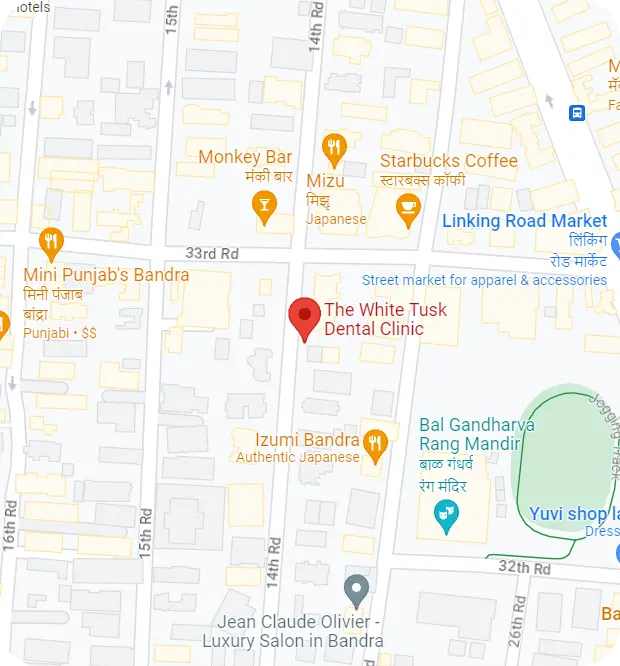
We are conveniently located near you in Bandra.