


Dr. Vinita Tekchandani Masters Degree In Oral & Maxillofacial Pathology
A burning sensation in the tongue can be more than just an annoying discomfort—it might be your body’s way of signaling something deeper. Whether it’s linked to a vitamin deficiency or an underlying oral issue, ignoring the symptoms can delay proper care. Many people suffer in silence, unsure of the cause or where to turn for help. In this blog, we’ll explore the most common reasons behind a burning sensation in the tongue, how to tell the difference between nutritional and dental causes, and when to seek professional advice. Finding out what’s really causing the problem is the first step to getting better.
A burning tongue isn’t a disease. It’s a symptom.
It can mean different things depending on your health, age, diet, or dental habits. Some people feel it with no visible signs. Others notice redness, dry mouth, or even a bitter or metallic taste.
The feeling can be mild or severe. And it often worsens throughout the day.
There are many possible causes. Here are the most common:
Some cases are temporary. Others last for months. Knowing what’s behind the issue helps guide the proper treatment.
Yes, it could be. A lack of specific vitamins or minerals can cause your tongue or mouth to feel like it’s burning.
The most common ones are:
These vitamins help keep nerves and tissues healthy. When your body doesn’t get enough, your tongue may feel sore, swollen, or like it’s burning.
Other signs of deficiency might include:
A simple blood test can check your levels. If a deficiency is found, supplements or dietary changes may help relieve symptoms.
Sometimes, the cause is right in the mouth.
Here are some dental issues that might lead to a burning tongue:
Keeping up with regular dental visits helps catch these issues early.
There’s also something called burning mouth syndrome (BMS).
People with BMS feel burning in the tongue, lips, or roof of the mouth. It often starts mid-life or later, especially in women.
Other symptoms may include:
Doctors believe it could be linked to nerve damage, hormone changes, or emotional stress. Treatment often includes a mix of medication, mouth rinses, and managing stress.
Here’s a simple way to think about it:
But you can’t be 100% sure just by guessing. You’ll likely need a dental exam and possibly some blood tests.
Don’t ignore a burning tongue, especially if it’s been going on for more than a few days.
You should see a dentist or doctor if:
The sooner you get checked, the sooner you can treat the cause—whether it’s a tooth problem or something in your diet.
While you wait for answers from your dentist or doctor, a few things may help:
These won’t fix the root problem, but they may reduce the discomfort.
If your dentist suspects a deeper cause, they may suggest:
Sometimes, several small issues add up to cause the burning feeling. That’s why a full review helps.
A burning sensation in your tongue isn’t always serious. But it’s not something to ignore either. It could be a simple fix—like a vitamin boost or a change in toothpaste. Or it might point to a dental or medical issue that needs attention.
If you’ve been dealing with it for a while, don’t wait. Book a checkup. Talk to your dentist. You deserve answers and relief.
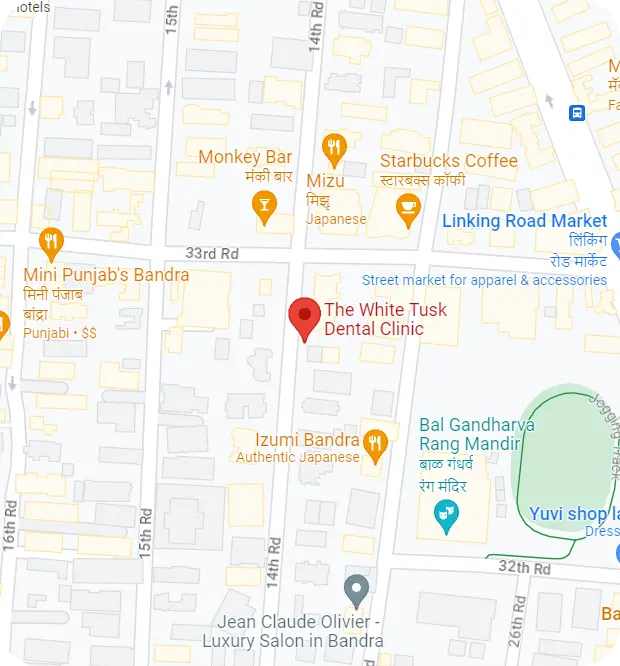
We are conveniently located near you in Bandra.