


Dr. Vinita Tekchandani Masters Degree In Oral & Maxillofacial Pathology
Many adults assume that once their permanent teeth settle in their twenties, their smile stays fixed for life. But if you are over 30 and have noticed crowding, gaps, or changes in your bite, you are not imagining it. Teeth can and do shift after 30, and it happens more often than people think.
In this blog, we will explore why adult teeth move with age, what factors speed up the process, and what you can do to protect your smile long term.
Yes, it is completely normal. Teeth shifting after 30 is a natural process influenced by daily habits, jaw changes, and oral health conditions. Even adults who had braces earlier in life may notice their teeth slowly moving again.
Teeth are not fixed into the jaw like nails in wood. They are held in place by ligaments and bone, which constantly respond to pressure. Over time, these structures change, allowing teeth to move gradually.
Several reasons contribute to adult teeth shifting. Some are related to aging, while others come from lifestyle or dental conditions.
As you age, your jawbone continues to remodel. Bone density may decrease slowly over time, especially after 30. These subtle changes alter how teeth fit together, leading to shifting, crowding, or bite changes.
Missing teeth create empty spaces in the mouth. Surrounding teeth naturally tilt or move toward that space, disrupting alignment. Even a single untreated cavity or damaged tooth can affect how pressure is distributed when you chew.
Over time, this imbalance causes teeth to shift.
Many adults grind or clench their teeth due to stress, often without realizing it. This constant pressure pushes teeth out of alignment and increases wear. Teeth grinding is a common cause of teeth moving forward or overlapping after 30.
Healthy gums and jawbone are essential for stable teeth. Gum disease weakens the bone supporting the teeth. As bone support reduces, teeth loosen and begin shifting. This can happen slowly and painlessly until noticeable changes appear.
Gum disease is one of the most serious causes of adult teeth shifting.
In some people, wisdom teeth continue trying to erupt well into adulthood. This pressure can contribute to crowding in the front teeth, especially the lower incisors. While not the sole cause, wisdom teeth may worsen existing alignment issues.
If you had orthodontic treatment earlier in life and stopped wearing your retainer, teeth shifting is very common. Teeth have memory and tend to move back toward their original position when retention stops.
Adult teeth shifting does not happen overnight. Watch for early signs such as:
Early detection makes it easier to manage the problem.
In mild cases, teeth shifting may only affect appearance. However, more significant movement can lead to:
Ignoring shifting teeth can lead to long term oral health issues beyond aesthetics.
While you cannot stop aging, you can slow or prevent excessive tooth movement with proper care.
Regular dental cleanings and good oral hygiene prevent gum disease, protecting the bone that holds your teeth in place.
Dental implants, bridges, or partial dentures prevent surrounding teeth from drifting into empty spaces.
If you clench or grind your teeth, a custom night guard reduces pressure and prevents movement.
If you had braces or aligners, long term retainer use is critical. Many adults need to wear retainers a few nights a week indefinitely.
Dentists can detect early movement and recommend preventive solutions before changes become severe.
If your teeth have already shifted, several treatment options can help, depending on the severity.
Invisible aligners are popular among adults because they are discreet and comfortable. They gently guide teeth back into position without metal braces.
For more complex alignment issues, braces may still be the most effective option.
In mild cases, a retainer alone may help stabilize teeth and prevent further movement.
Crowns, bonding, or veneers may improve appearance when shifting has caused gaps or uneven edges.
Not everyone experiences noticeable changes, but most adults see some degree of movement over time. Genetics, oral hygiene, and dental history all play a role. People with gum problems, missing teeth, or a history of orthodontic treatment are more likely to notice changes.
You should consult a dentist if you notice visible movement, changes in bite, or discomfort. Early treatment is simpler and often less expensive than correcting advanced problems.
Teeth shifting after 30 is common and completely normal, but it is not something to ignore. Aging, habits, and oral health conditions all influence how your smile changes over time. The good news is that modern dentistry offers effective solutions to maintain or restore alignment at any age.
With proper care, regular dental visits, and timely treatment, you can keep your smile healthy, functional, and confident well beyond your thirties.
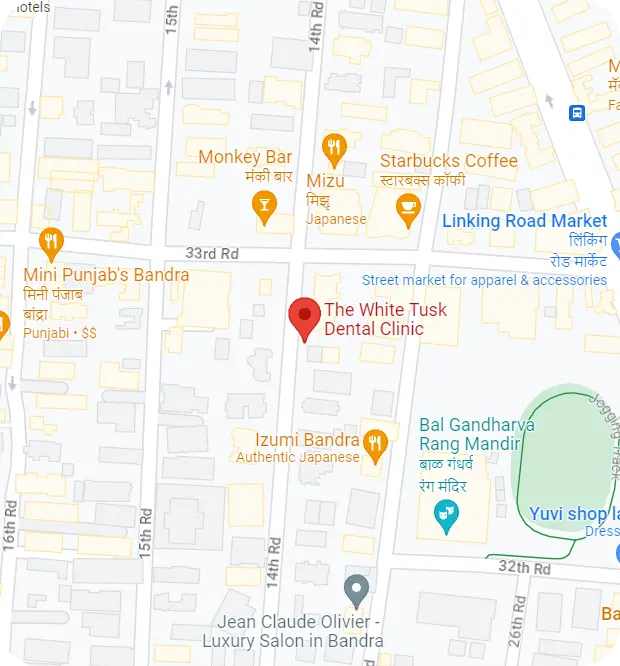
We are conveniently located near you in Bandra.