


Dr. Vinita Tekchandani Masters Degree In Oral & Maxillofacial Pathology
Healthy teeth and gums don’t come from brushing alone. What you eat plays an important role in your oral health. Many people face cavities and gum problems, even with daily brushing, because they miss out on foods that protect their teeth. It can feel frustrating when you’re doing your best but still get issues at your next dental visit. In this blog on Foods That Are Good For Your Teeth And Gums, you’ll learn which simple foods can keep your mouth strong, fresh, and free from typical dental troubles.
Healthy teeth and gums don’t come from brushing alone; what you eat matters. Many people get cavities or sore gums even when they brush daily. The problem is, they miss out on foods that protect their teeth. Good food choices can help you avoid problems and keep your mouth healthy.
This post explains which foods are good for your teeth and gums. You will see how small changes in your meals can help you protect your smile.
Food affects your mouth in many ways. Some foods feed the bacteria that cause tooth decay. Some foods even act as natural cleaners for your teeth as you chew them. Certain foods give you vitamins and minerals that keep your gums strong.
If you only brush and don’t think about what you eat, you may still get cavities or gum disease. But with the right foods, you can give your mouth extra protection.
Calcium is essential for strong teeth. Nutrients in certain foods help protect your enamel—the hard, outer surface of your teeth. If you don’t get enough calcium, your enamel can weaken, making it easier for cavities to form.
Foods like milk, cheese, and yogurt are rich in calcium, which helps keep your teeth strong. If you don’t eat dairy, try tofu, almonds, or leafy greens like kale and spinach. These foods are good for your teeth and gums and help keep them strong over time.
Crunchy fruits and vegetables act like natural toothbrushes. When you chew them, they help remove plaque and food bits from your teeth. They also boost saliva, which helps wash away acids that can damage your enamel.
Try apples, carrots, celery, and cucumbers. These foods are good for your teeth and gums while also giving you fiber and vitamins that help your body stay healthy.
Yes, they are. They’re also rich in phosphorus, both of which help restore and strengthen tooth enamel. Cheese also increases saliva in your mouth, which helps clean your teeth naturally.
A small piece of cheese after a meal can help lower acid levels in your mouth. Yogurt gives you calcium and good bacteria that support your gum health. These are easy ways to add foods that are good for your teeth and gums to your daily meals.
Vitamin C is essential for healthy gums. It helps your body repair tissues and fight infections, including those that affect your gums.
Without enough vitamin C, you may notice bleeding gums or slow healing after a dental visit. Foods like oranges, strawberries, kiwi, and bell peppers give you vitamin C. Eating these foods regularly can help keep your gums strong and reduce the risk of gum disease.
Water is one of the best drinks for your mouth. Staying well-hydrated by drinking water helps wash away food particles and promotes saliva flow, which is essential for a healthy mouth. Saliva is your mouth’s natural defense against cavities because it neutralizes acids and helps clean your teeth.
If you can, drink water with fluoride. Fluoride helps fortify your teeth and prevents cavities. Keep a water bottle with you and take sips throughout the day to help maintain a clean and fresh mouth.
Green tea has compounds called catechins, which can help reduce inflammation in your gums. It also has antioxidants that fight bacteria in your mouth.
Unsweetened green tea is another great choice, as it promotes healthy gums and helps keep your breath fresh. It’s a good alternative to sugary drinks that can harm your teeth.
While it’s important to add foods that are good for your teeth and gums, it’s also smart to know what to limit. Sticky candies, sugary drinks, and processed snacks can feed the bacteria that cause decay.
Acidic drinks like soda and even some fruit juices can wear down your enamel. If you do have them, try to rinse your mouth with water afterward and avoid brushing right away, as your enamel will be soft for a short time.
It’s easy to include foods that are good for your teeth and gums in your meals:
These small changes add up and can support your dental health naturally.
Eating the right foods helps protect your teeth and gums, but it does not replace dental check-ups. You should still see your dentist regularly for cleanings and exams. If you notice bleeding gums, tooth pain, or sensitivity, don’t wait for it to go away on its own.
Your dentist can check for early signs of cavities and gum issues and help you address them before they become bigger problems.
What you eat plays a significant role in your dental health. By choosing foods that are good for your teeth and gums, you can add another layer of protection to your brushing and flossing routine. Simple changes like eating crunchy vegetables, adding dairy or calcium-rich foods, and drinking water can make a real difference in your oral health.
Take small steps today to protect your teeth. Your future self—and your next dental visit—will thank you.
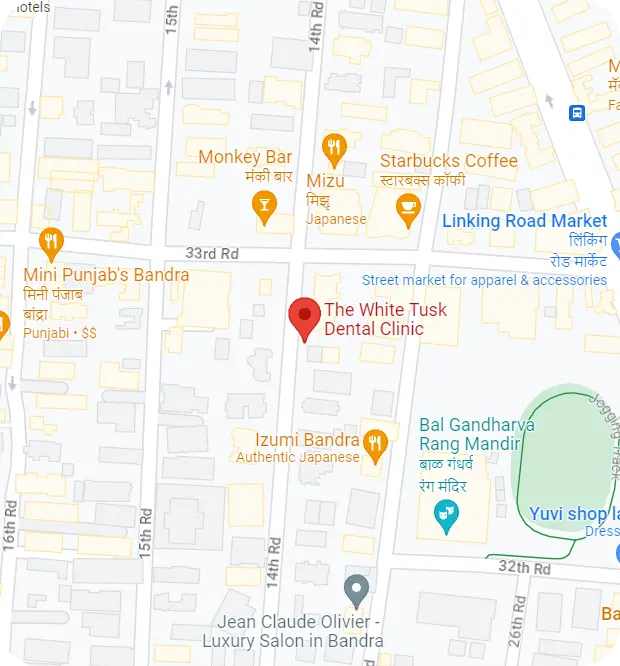
We are conveniently located near you in Bandra.