


Dr. Vinita Tekchandani Masters Degree In Oral & Maxillofacial Pathology
How Often Should You Visit A Dentist? The short answer: more regularly than you think. Skipping routine check-ups allows tiny cavities, hidden gum inflammation, and plaque deposits to snowball into painful, expensive problems. Many patients wait until something hurts—by then, preventive options are limited, and restorative work is inevitable. This blog breaks down personalized timelines for children, adults, seniors, and special-risk groups, explains what happens during each visit, and outlines simple habits that stretch the time between appointments. Read on to discover the ideal schedule that keeps your smile healthy, bright, and budget-friendly for years to come hassle-free.
Most dental professionals recommend visiting the dentist every six months. This frequency allows early detection of potential issues like cavities, gum disease, and oral cancer. However, not everyone fits the same schedule. People at a higher risk of dental problems—such as smokers, diabetics, or those with a history of gum disease—may need to go more often.
The best visit frequency depends on your oral health status, which your dentist can assess during your appointment.
Routine dental visits aren’t just about clean teeth—they’re a cornerstone of long-term health. Here’s why they matter:
Skipping regular dental check-ups can allow minor issues to turn into more serious and painful problems.
A standard dental visit usually includes:
Children should begin seeing a dentist every six months starting with their first tooth or by the time they turn one—whichever comes first. These visits help:
Starting dental visits early and maintaining them regularly can help ensure lifelong oral health.
For most adults with average oral health, twice a year is sufficient. However, adults with risk factors may require more frequent check-ups:
Always follow your dentist’s personalized recommendation.
Older adults are at increased risk for various dental problems, including:
Dental visits every 3–6 months are often recommended for these reasons. Regular check-ups help ensure the proper fit of dental appliances and allow early intervention for age-related oral conditions.
Individuals with elevated risk factors may need to see the dentist more than twice annually. These include:
Your dentist will tailor your schedule based on these and other factors.
Delaying or skipping dental visits may save money now, but it often leads to:
Preventive dental care is far more cost-effective—and less painful—than treating advanced oral problems.
Maximize your check-ups with these tips:
Being proactive ensures you get the best results from every visit.
Good habits between visits can reduce your need for emergency care and enhance your overall oral health:
Consistency is key. Regular care at home complements professional dental visits beautifully.
So, how often should you visit a dentist? While the general rule is every six months, the ideal frequency depends on age, habits, and health. Regular check-ups are critical in keeping teeth and gums healthy, smile beautiful, and treatment costs down.
If it’s been a while since your last visit, now’s the perfect time to schedule one. Your future self—and your smile—will thank you.
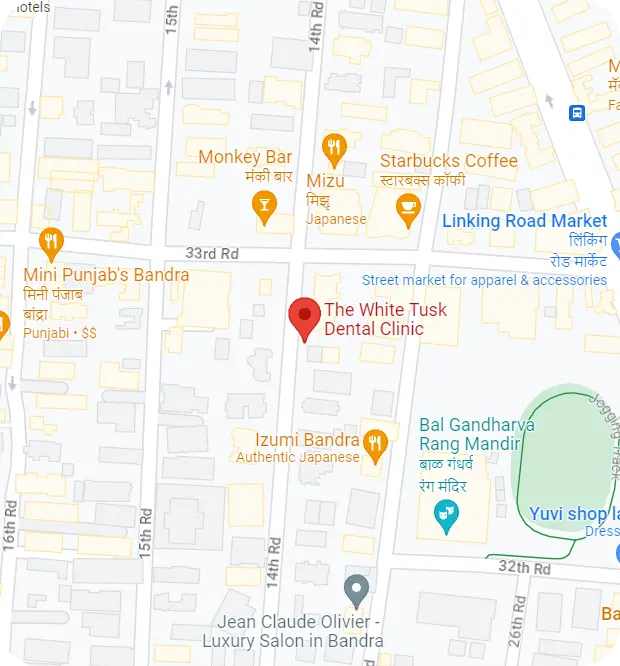
We are conveniently located near you in Bandra.