


Dr. Vinita Tekchandani Masters Degree In Oral & Maxillofacial Pathology
You’re not alone if you’ve been wondering how to stop receding gum lines. Gum recession is more than just a cosmetic issue—it’s a warning sign that your oral health is threatened. When gum recession isn’t addressed, it can cause increased tooth sensitivity, expose the roots of your teeth, and eventually lead to tooth loss. The problem? The problem is that most people don’t realize their gums are receding until noticeable damage has already occurred. In this blog, we’ll show you how to recognize the early signs, what causes your gums to pull back, and how to stop receding gum lines before the damage becomes irreversible. Let’s break the cycle and protect your smile—starting today.
Gum recession happens when the tissue around the teeth gradually pulls back or wears down, revealing more of the tooth’s surface or root. This creates gaps between the tooth and gum line where bacteria can thrive. If ignored, these gaps deepen, leading to advanced gum disease and even bone loss. Often, people only become aware of the issue when they start feeling sensitivity, discomfort, or see their teeth appear longer than usual.
There isn’t just one cause of receding gums—multiple factors often contribute. Some of the most common include:
Identifying the cause is key to stopping further recession.
The earlier you catch gum recession, the better your chances of stopping it. Look for:
If you begin to observe any symptoms of receding gums, it’s crucial to take prompt action.
While advanced gum recession needs professional care, you can slow or prevent early recession with smart at-home habits:
These habits won’t regrow lost gum tissue, but they will stop more from being lost.
Many unknowingly brush their teeth too hard, thinking more pressure means cleaner teeth. Using excessive force while brushing can erode tooth enamel and cause the gums to recede. If your toothbrush bristles fan out within weeks, or your gums feel sore after brushing, you’re likely brushing too hard. Try holding your brush with three fingers or switching to an electric toothbrush with pressure sensors.
If your gums have already receded significantly, dental treatments can help:
Your dentist will recommend the most effective treatment plan depending on how advanced the condition is.
Not all oral care products are created equal. For receding gums, look for:
Avoid whitening pastes and alcohol-based rinses, which can worsen sensitivity and irritation.
One of the most common questions patients ask is, “Can gums grow back once they recede?” The short answer: not naturally. Once gum tissue is lost, it doesn’t regenerate on its own. However, dental intervention can prevent further loss and restore aesthetics and function. Treatments like grafting and pinhole surgery can cover exposed roots and improve appearance, but they require a dental professional.
As the gums pull back, the roots—more delicate and sensitive than the crown—become exposed, making the teeth more vulnerable to pain and decay. Unlike enamel, roots aren’t meant to handle hot coffee or ice cream. That’s why gum recession often leads to sharp, unpleasant sensations. Using toothpaste designed for sensitivity and avoiding overly acidic or sugary foods can help manage the discomfort until treatment is done.
Stopping the gum recession is just the start. Here’s how to keep your gums healthy long-term:
Daily care goes a long way in preserving your gums for life.
Receding gum lines doesn’t have to be a life sentence. You can stop the progression and safeguard your smile by understanding the causes, spotting the early signs, and taking action—both at home and with your dentist. If you’ve noticed gum changes, don’t wait. Talk to your dentist about stopping receding gum lines before irreversible damage occurs.
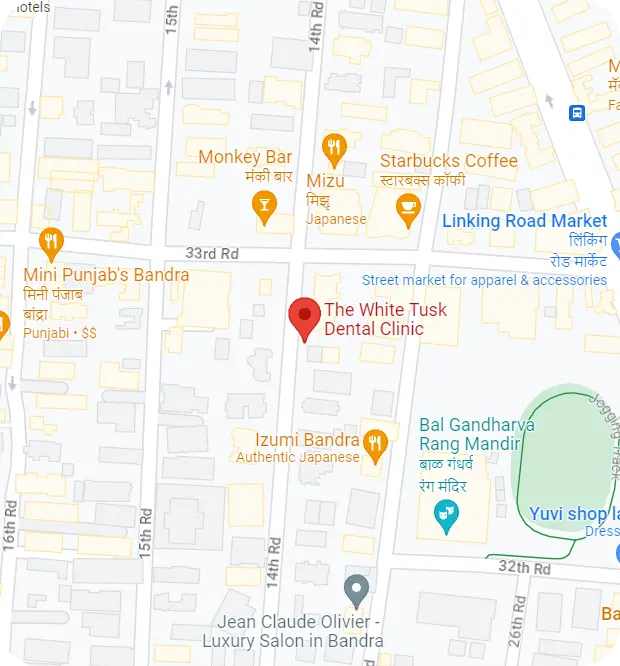
We are conveniently located near you in Bandra.