


Dr. Vinita Tekchandani Masters Degree In Oral & Maxillofacial Pathology
Many of us can’t imagine starting our day without a cup of coffee or tea. But have you ever wondered — is caffeine bad for your teeth? The short answer: not always, but too much caffeine can slowly damage your enamel, cause staining, and dry out your mouth. This blog explains how caffeine affects your teeth and gums, what risks it carries, and how to enjoy your favourite drink without harming your oral health.
Caffeine itself isn’t black, but coffee, tea, and cola contain dark pigments called tannins. These tannins stick to enamel and gradually lead to yellow or brown stains — especially if you sip multiple cups a day. Green tea and black coffee lovers often notice this over time.
Many caffeinated drinks — especially energy drinks and colas — are acidic. Frequent acid exposure weakens enamel, the protective layer of your teeth. Once enamel thins, your teeth become more sensitive and prone to cavities.
Caffeine is a mild diuretic, meaning it can cause dehydration. When your body loses fluids, your mouth produces less saliva. Less saliva = dry mouth = bacteria grow faster → leading to bad breath, plaque buildup, and decay.
High caffeine intake (especially in the evening) can make some people anxious or restless. This leads to teeth grinding at night (bruxism), which wears down enamel and causes jaw pain.
Experts recommend keeping your caffeine intake below 300 mg per day (about 2–3 regular cups of coffee or tea). If you also drink soft drinks or energy drinks, the total acidity and sugar load increase, raising the risk of enamel erosion.
After your coffee or tea, rinse your mouth or drink plain water. This neutralises acids and washes away stains before they stick.
If you drink iced coffee, cold brew, or cola — use a straw. It limits direct contact between acids and your teeth.
Brushing right after drinking coffee or cola can scrub softened enamel. Wait at least 20–30 minutes before brushing.
Switch to:
Professional cleaning once every 6 months removes stains and prevents long-term enamel damage.
Visit your dentist if you notice:
Early treatment helps reverse surface staining and prevent deeper enamel erosion.
Caffeine isn’t your enemy, but your drinking habits matter. A few cups of coffee or tea a day won’t harm your teeth if you maintain good oral hygiene and drink enough water. Problems arise when caffeine intake is excessive, sugary, or acidic and oral care is ignored. Enjoy your coffee mindfully: stay hydrated, use a straw for cold drinks, and visit your dentist regularly.
Yes. Drinks like coffee, tea, and cola contain tannins that attach to tooth enamel and cause yellow or brown stains over time. Regular brushing and professional cleaning can help remove these stains.
Indirectly, yes. Many caffeinated drinks are acidic. Continuous acid exposure weakens enamel, making teeth more sensitive and prone to cavities.
Yes, in moderation. Up to 2–3 cups a day is generally safe if you rinse with water afterward, limit sugar, and maintain proper oral hygiene.
Caffeine can reduce saliva flow because it has a mild dehydrating effect. This can lead to dry mouth, bad breath, and higher cavity risk if you don’t drink enough water.
Rinse your mouth with water after drinking coffee or tea, use a straw for cold brews, avoid brushing immediately, and get professional cleaning every six months to keep your smile bright.
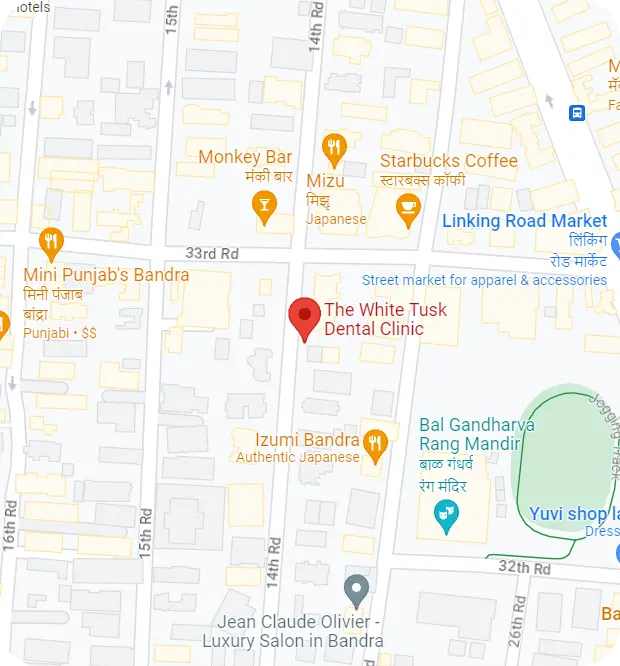
We are conveniently located near you in Bandra.