


Dr. Vinita Tekchandani Masters Degree In Oral & Maxillofacial Pathology
The Paulo-Malo Prosthesis is redefining how full arch implants are done. This advanced approach offers a faster, more reliable solution for patients who have struggled with unstable dentures, multiple missing teeth, or the frustration of lengthy treatments. Ignoring missing teeth affects your smile and your bite, nutrition, and overall health. That’s where the Paulo-Malo Prosthesis comes in—delivering permanent, natural-looking teeth with improved comfort and function. In this step-by-step guide, we’ll walk you through the procedure, what to expect at each stage, and why it’s a breakthrough in full mouth rehabilitation.
The Paulo-Malo Prosthesis is an advanced dental solution designed for patients who have lost all or most of their teeth in one arch. Unlike removable dentures, this technique uses strategically placed dental implants to anchor a fixed, full-arch prosthesis. The result is a permanent set of natural-looking teeth that restores chewing ability, speech, and aesthetics. Developed to streamline full mouth rehabilitation, it offers both speed and stability, reducing the discomfort and delays associated with traditional implant treatments.
Patients often struggle with loose dentures, multiple missing teeth, or the frustration of undergoing lengthy treatments. The Paulo-Malo Prosthesis addresses these challenges by offering:
Not everyone is an ideal candidate. The Paulo-Malo Prosthesis is best suited for:
The first step involves a comprehensive consultation. Your dentist will review your medical history, assess your oral health, and discuss your expectations. This stage ensures you fully understand the benefits, risks, and long-term commitment of choosing the Paulo-Malo Prosthesis.
Advanced imaging techniques, such as CBCT scans and digital impressions, are used to map out your jaw structure. These diagnostic tools allow precise implant placement planning, ensuring maximum stability and long-term success. A personalised treatment plan will then be developed, outlining the number of implants required, the design of the prosthesis, and the expected timeline.
Once the planning is complete, the implants are surgically placed into the jawbone, where they act as a secure foundation for your new teeth. Four to six implants are typically enough to support a full arch prosthesis. These implants act as the foundation for your new teeth. In many cases, a temporary prosthesis is attached on the same day, so patients never have to leave the clinic without teeth.
After the implants have successfully bonded with the bone—a process called osseointegration—the final Paulo-Malo Prosthesis is firmly fitted. This prosthesis is designed for durability, comfort, and aesthetics. It functions like natural teeth, allowing you to eat, speak, and smile confidently.
Recovery varies by individual, but most patients experience mild discomfort and swelling for a few days after implant placement. Soft foods are recommended initially, and patients progress to a normal diet within weeks. Dentists usually schedule follow-up visits to monitor healing. Most patients adapt quickly and find the transition smoother than expected.
Compared to removable dentures, the Paulo-Malo Prosthesis offers several advantages:
Like natural teeth, the Paulo-Malo Prosthesis requires proper care. Daily brushing, flossing (or water flossing), and routine dental checkups are essential. With good oral hygiene and regular maintenance, the prosthesis can last decades. Your dentist may recommend professional cleanings every 3–6 months to ensure the implants and prosthesis remain in top condition.
The Paulo-Malo Prosthesis is more than just a dental treatment—it’s a life-changing solution for people with multiple missing teeth. Combining advanced implant technology with a streamlined process offers faster results, long-term stability, and a renewed smile. If you’re considering full-arch implants, this step-by-step guide shows why the Paulo-Malo Prosthesis is regarded as a breakthrough in modern dentistry.
In many cases, the implants and temporary teeth can be placed on the same day, and the permanent prosthesis can be fitted after healing.
The procedure is done under anaesthesia, so patients experience minimal pain. Some mild discomfort may occur after the surgery, but it can typically be managed with prescribed pain relief.
With proper care and maintenance, the implants can last a lifetime, and the prosthesis can last 10–15 years or more.
Success rates are very high—over 95%—when performed by experienced implant specialists.
Costs vary depending on the clinic, country, and number of implants. Although it requires an upfront investment, this approach is more economical than replacing each missing tooth separately.
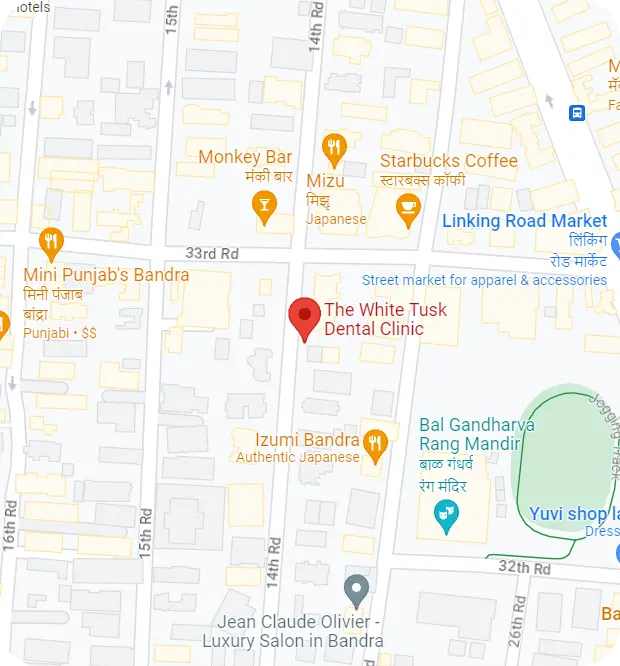
We are conveniently located near you in Bandra.