


Dr. Vinita Tekchandani Masters Degree In Oral & Maxillofacial Pathology
Winter is not just flu season — it is also one of the peak periods when people get mouth ulcers, sore throat, burning sensations, swollen gums, and tongue irritation. If you’re also noticing more mouth discomfort this time of the year, you’re not imagining it. There is a direct connection between seasonal flu, immunity drop, dryness in the air and your oral health.
This blog explains why mouth ulcers and throat irritation increase in cold months — and how to protect your mouth before it turns into painful infections.
When temperatures go down, the body’s immune system becomes slightly weaker. This gives viruses a better chance to attack. When you catch even a mild flu or cold, the oral tissues get inflamed, leading to ulcers and throat pain.
In cold months, humidity drops. We breathe more cold air through our mouths, especially at night. This reduces saliva.
When saliva reduces → the mouth becomes more acidic.
This acidic environment triggers mouth ulcers faster.
Every winter, consumption of:
…goes up significantly.
Acidity + spice + sugar = oral lining irritation → mouth ulcers.
People drink significantly less water in winter because they don’t feel as thirsty.
Low hydration thickens saliva → mouth becomes more prone to bacterial growth → leads to ulcers, gum irritation, and sore throat.
In winter, sunlight exposure reduces → Vitamin D drops.
Also, people eat more refined carbs and fewer fruits → Vitamin B12 & Iron dips.
Vitamin deficiencies = higher ulcer frequency.
Sudden temperature shifts (hot tea → cold air) contract enamel and irritate nerves inside teeth — this leads to sore throat sensation & mouth discomfort.
These are signals that need professional dental screening.
Minimum 2.5–3 litres per day — even if you’re not thirsty. Keep a reminder.
Replace extra cups with:
Ask your doctor/dentist about:
These improve oral lining healing.
Stiff bristles cause tissue trauma.
Soft bristles protect gums.
Warm salt water reduces inflammation & prevents ulcers from enlarging.
Alcohol mouthwash causes dryness → avoid it in winter.
You should book a dental consultation if:
Because persistent ulceration + sore throat can sometimes indicate:
Dentists can prescribe targeted treatment like:
Winter is the perfect storm — immunity drops, dry air increases, hydration reduces, and our diet becomes more acidic. This combination triggers mouth ulcers, sore throat and oral discomfort.
The good news: simple winter-specific changes like drinking more water, limiting tea/coffee, using a soft brush, and supporting vitamins can significantly reduce ulcer frequency and throat irritation.
And if symptoms don’t improve in 5–7 days, consult a dentist. Early treatment means less pain, faster healing and healthier oral tissue throughout winter.
The festive season is an exciting time filled with parties, crackers, and sweets. Especially during Diwali, Giving ...
Read More
Eating disorders are still a big problem in today’s world. They affect many people, no matter how old they ar...
Read More
Sleep apnea, commonly accompanied by snoring and daytime fatigue, has stirred considerable debate regarding its imp...
Read More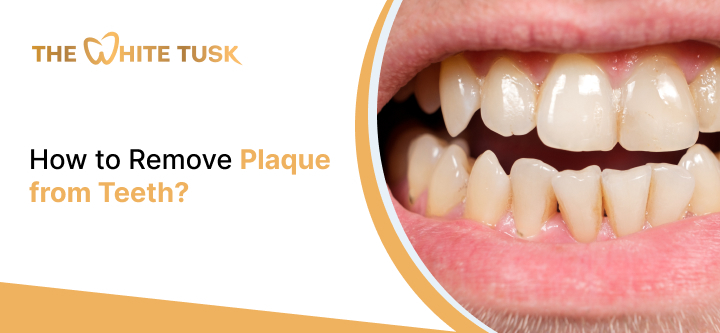
Maintaining good oral hygiene is essential for a healthy smile, and one of the most common issues people face is pl...
Read More
Christmas is the season of joy, surprises, and thoughtful gifting. While everyone loves chocolates, candles, and wi...
Read More
Oral health is important and so is mental health. Your mind and body are connected, which is exactly why maintainin...
Read More
Oil Pulling for Gums: Does It Improve Your Oral Health? If you’ve heard the buzz around oil pulling for gums,...
Read More
Oral health is not isolated from the rest of the body; all our systems, organs, and cells are interdependent to fun...
Read More
Have you observed that as time passes, both our physical requirements and our bodily condition evolve? Similar to h...
Read MoreWe are conveniently located near you in Bandra.