


Dr. Vinita Tekchandani Masters Degree In Oral & Maxillofacial Pathology
Winter Is Coming, and if your teeth suddenly feel more sensitive when you sip tea, breathe cold air, or bite into something sweet, you’re not alone. Many people across India report a sudden spike in tooth sensitivity as temperatures drop. This problem isn’t just “seasonal discomfort” — it’s your enamel reacting to cold weather, exposing weak spots and triggering sharp pain. If you ignore these warning signs now, winter sensitivity can quickly turn into cavities, gum recession or nerve irritation. In this blog you’ll learn exactly why your teeth hurt more in winter, and the dentist-approved steps that can stop it fast.
As soon as the temperature drops, many people start experiencing sudden, sharp pain in their teeth while breathing cold air, drinking warm tea, brushing, or eating sweets. This is commonly known as dentin hypersensitivity, and it gets worse in winter.
When the weather becomes cold, the dentinal tubules in teeth contract and respond more aggressively, sending sudden pain signals to the nerve. That is why even touching cold air can trigger sensitivity during winter.
Cold winter air directly hits your teeth, especially when you breathe through your mouth. This makes the enamel contract, exposing the dentin layer → causing severe sensitivity.
Acidic foods, carbonated drinks, sugar, and hard brushing weaken the enamel. Winter cravings like hot coffee, tea, chocolates and sweets also increase enamel wear.
If gums shrink or pull away due to brushing too hard or gum disease, the sensitive tooth roots become exposed. During winter, this sensitivity becomes more noticeable.
People feel less thirsty and avoid drinking water. Reduced hydration → leads to dry mouth → higher acidity → faster enamel erosion.
Any existing tiny cavity becomes more painful in winter because the temperature change irritates the nerve inside the tooth.
If you have any of these, winter sensitivity is likely.
Use a toothpaste that contains potassium nitrate or stannous fluoride.
Use daily for at least 3 weeks for best results.
Hard bristles damage enamel fast and increase recession.
Soft bristles protect enamel.
Limit – cola, energy drinks, citrus juices, vinegar based foods.
Wait 20-30 minutes. Hot drinks soften enamel temporarily.
Drink water every 2-3 hours, even if you don’t feel thirsty.
Helps reduce inflammation in gums & soothe sensitivity.
Visit a dentist if:
Because sometimes winter sensitivity is actually a signal of:
A dentist may suggest:
Winter itself doesn’t create sensitivity, but it exposes existing weaknesses in teeth. When the weather becomes cold, enamel reacts to temperature change and triggers pain. But with correct dental habits and early treatment, winter sensitivity can be managed entirely.
This season, protect your teeth proactively, use desensitising toothpaste, drink enough water, and avoid habits that weaken your enamel.
If the sensitivity is constant or severe, visit a dentist for a proper diagnosis before it becomes a bigger problem.
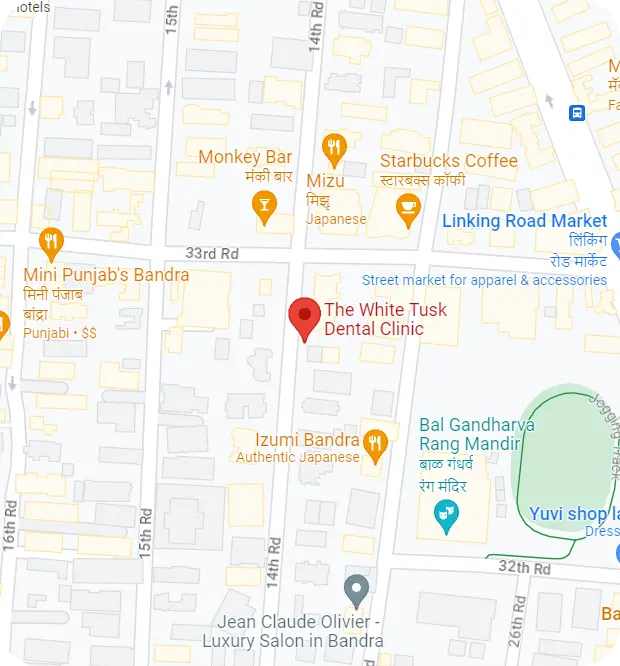
We are conveniently located near you in Bandra.