


Dr. Vinita Tekchandani Masters Degree In Oral & Maxillofacial Pathology
Tooth Sensitivity After Whitening is one of the most common side effects patients experience after whitening their smile. While whitening treatments deliver quick cosmetic results, they can also leave teeth feeling sharp, sensitive, and uncomfortable when exposed to hot, cold, or even air. This sensitivity can make eating, drinking, and daily activities uncomfortable. The good news? Fortunately, the discomfort after whitening is usually short-lived and can be controlled with the proper care. In this blog, we’ll explore why sensitivity happens, proven ways to relieve it, and practical tips to protect your teeth while still enjoying a radiant smile.
Whitening products use peroxide-based solutions that pass through the enamel to break apart stains. During this process, microscopic pores in the enamel open up, exposing the underlying dentin. Because dentin has microscopic tubules linked to the tooth’s nerve, changes in temperature or pressure may trigger sensitivity.
Factors that may worsen sensitivity include:
For most people, this sensitivity is strongest during the first 24 to 48 hours after treatment. For some patients, the discomfort may last up to a week but gradually subsides as the enamel rehydrates and the pores close.
If sensitivity continues beyond a week, or if the pain interferes with daily eating and drinking, it’s essential to consult a dentist. Persistent discomfort may indicate another underlying dental issue, such as cavities, gum disease, or enamel erosion.
Fortunately, there are several dentist-approved strategies you can use right away:
Switching to a toothpaste formulated for sensitive teeth can block nerve signals from the dentin. Fluoride gels, available over-the-counter or from your dentist, help strengthen enamel and reduce sensitivity.
Daily use of a fluoride mouthwash not only reduces sensitivity but also protects enamel from future damage.
Steer clear of ice-cold drinks, citrus fruits, or steaming-hot beverages for a few days. These temperature extremes are common triggers for sensitivity.
Mild anti-inflammatory medication can reduce discomfort if sensitivity is particularly bothersome. It’s important to consult your dentist or doctor before taking any medication.
If you’re planning additional whitening treatments, the following preventive measures can minimize discomfort:
You may also choose whitening options with a lower peroxide level or ask for a professionally customized formula suited to your teeth.
In some cases, dentists suggest applying fluoride varnish or gel prior to whitening. This strengthens enamel and reduces the chance of post-treatment sensitivity.
Avoid back-to-back whitening sessions. Give your teeth time to recover between treatments for safer, longer-lasting results.
In-office whitening under professional supervision allows for controlled application and can include built-in desensitizing steps.
Most sensitivity is harmless and temporary. However, you should schedule a dental visit if:
Your dentist may recommend stronger desensitizing agents and fluoride treatments or evaluate for underlying conditions.
Tooth sensitivity after whitening is a common but short-lived side effect. With the proper care—using desensitizing products, avoiding triggers, and following your dentist’s advice—you can enjoy a brighter smile without unnecessary discomfort. Remember, a radiant smile should feel as good as it looks.
If sensitivity persists, book a consultation with your dentist to ensure safe, effective whitening tailored to your needs.
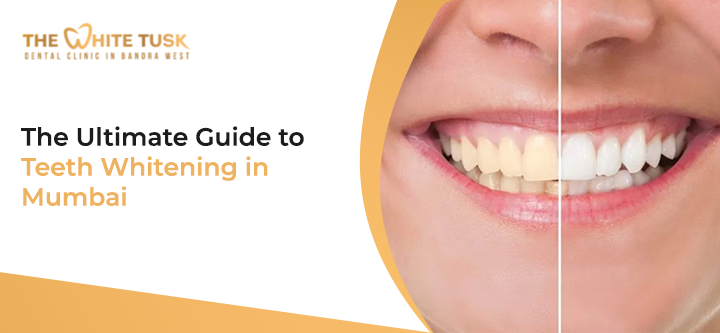
Do discoloured teeth make you feel self-conscious? Look no further than The White Tusk, the premier dental clinic i...
Read More
If you’ve ever looked in the mirror and wished your smile were brighter, you’re not alone. Everyday habits like...
Read More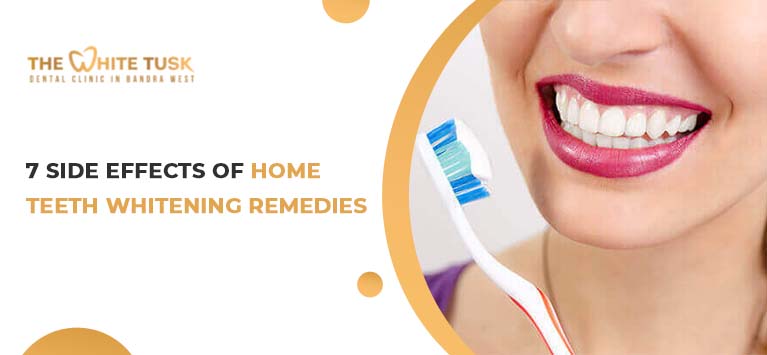
Many people use home remedies for teeth whitening because they’re natural, inexpensive, and easy to try. Comm...
Read More
Nowadays, people are paying more attention to brightening and whitening their teeth. Teeth whitening is one of the ...
Read More
Why Does My Tooth Hurt When I Drink Something Cold? If you’ve ever winced after sipping ice water or enjoying a c...
Read More
Teeth whitening is an in-office dental procedure to make your teeth look whiter and brighter. It involves using spe...
Read MoreWe are conveniently located near you in Bandra.