


Dr. Vinita Tekchandani Masters Degree In Oral & Maxillofacial Pathology
Have you ever smiled in the mirror and noticed that the edges of your teeth look slightly translucent or see through? Many people experience this change without knowing what it means for their oral health. While it may look unusual, translucent tooth tips are usually a sign of enamel wearing down. The good news is that this condition can be managed and even prevented once you understand the causes behind it.
In this blog, you will learn why teeth start becoming transparent, what it says about your enamel, and how to strengthen your smile again.
Translucent teeth refer to a condition where the edges of your front teeth appear glass-like, pale or clear. When enamel thins out, the underlying dentin becomes more visible. Since dentin is naturally darker, the tooth may look see through at the tips. This change is most obvious on the top front teeth because they are thinner and more frequently exposed to wear.
Translucent teeth are not just a cosmetic concern. Enamel does not regenerate once it wears away. If the cause is not addressed in time, it may lead to sensitivity, cavities and further weakening of the tooth structure.
Several factors can lead to teeth becoming transparent. Some are related to habits, while others come from medical or genetic reasons. Here are the most common causes:
Acidic items such as soda, energy drinks, citrus fruits, vinegar based foods and excessive lemon water weaken enamel over time. When the pH in your mouth drops, minerals wash away from the tooth surface. As enamel thins, the edges start to look transparent.
If you frequently sip acidic beverages throughout the day, your enamel stays under constant attack. This is one of the top reasons people notice their teeth becoming see-through.
Even if you avoid acidic foods, stomach acid coming up into the mouth can cause severe erosion. People with acid reflux or GERD(Gastroesophageal Reflux Disease) are at a much higher risk of translucent teeth because stomach acid is powerful and quickly dissolves enamel.
Symptoms like heartburn, dry mouth on waking or a sour taste may indicate reflux as the hidden cause.
Grinding or clenching can slowly wear away the tooth surface. Over time, the edges of the teeth begin to appear thin and glassy. Bruxism often occurs during sleep, so many people are unaware of the habit until they develop sensitivity or transparent teeth.
Stress, misaligned bite or sleep disorders commonly trigger grinding.
Brushing too aggressively or using a hard bristled brush can strip enamel faster than you think. Instead of cleaning, it scrapes away the protective layer. This not only makes teeth look translucent but may also cause gum recession and exposed roots.
Some individuals are born with weaker enamel. Enamel hypoplasia and other genetic variations make the surface thinner from the beginning. These people tend to notice transparent teeth earlier in life, sometimes even in childhood.
In such cases, both lifestyle changes and dental treatments are necessary to protect the teeth long term.
Calcium supports strong enamel. Low levels of calcium or vitamin D can make enamel softer and more vulnerable to erosion. Although this alone does not always cause translucent teeth, it can make existing enamel problems worse.
With age, enamel naturally becomes thinner due to chewing and exposure to acids over decades. Older adults often notice the see-through appearance around the biting edges of their front teeth. Although natural aging is unavoidable, preventive dental care can slow this process.
In the early stages, translucent teeth mainly affect appearance. However, if enamel continues to wear away, several problems can develop:
Ignoring the issue may lead to long term damage. Identifying the cause early can prevent expensive restorative treatments later.
Once enamel is gone, it cannot grow back. However, dentists can strengthen the remaining enamel, protect the teeth and improve their appearance. Common treatment options include:
Fluoride naturally strengthens enamel and helps prevent further erosion. Dentists often apply fluoride varnish during appointments to rebuild lost minerals and reduce sensitivity.
Toothpaste containing calcium, phosphate and enamel strengthening ingredients can slow enamel breakdown. It is beneficial for people with early signs of translucent teeth.
A tooth-coloured resin is applied to the edges of the teeth to restore shape, strength and colour. Bonding is a quick and affordable cosmetic fix for see through teeth.
Porcelain veneers are ultra-thin custom shells that cover the front surface of your teeth. They completely cover the transparent edges and protect the underlying enamel. This option works best for moderate to severe enamel wear.
If bruxism is the cause, a custom night guard prevents grinding and protects enamel from further damage.
If GERD is contributing to enamel erosion, medical treatment and lifestyle changes are essential. This may include avoiding heavy meals before bed, cutting down on caffeine and taking prescribed medication.
Prevention is easier and more effective than treatment. Follow these steps to protect your enamel:
These habits help slow down enamel erosion and prevent translucent teeth from getting worse.
If you notice your teeth becoming transparent, even slightly, it is a sign that your enamel is under stress. Early intervention can prevent long term complications. Visit your dentist if you experience:
A professional evaluation will identify the exact cause and guide you toward the right treatment plan.
Translucent teeth may seem like a minor cosmetic issue, but they signal enamel weakening that needs attention. Whether it comes from acidic foods, grinding, reflux or natural wear, taking action early can protect your smile for years to come. With the proper dental care and daily habits, you can strengthen your enamel and stop your teeth from becoming transparent.
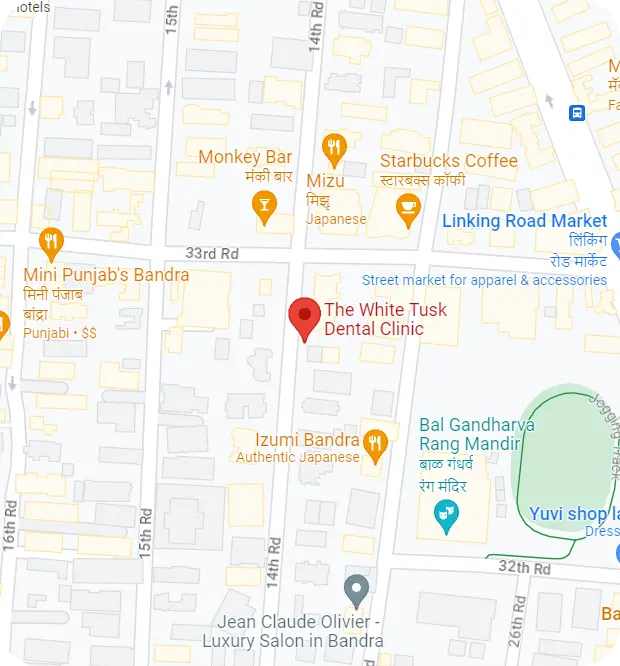
We are conveniently located near you in Bandra.